Economic Indicators
-
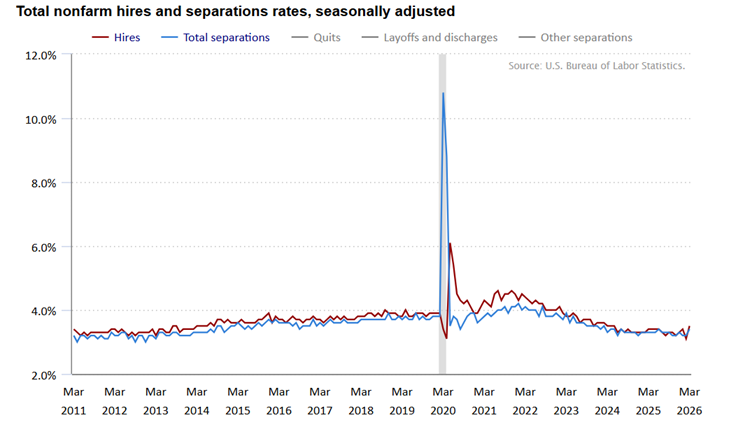
U.S. Payroll Growth Slows as Labor Market Continues to Cool
 Read more: U.S. Payroll Growth Slows as Labor Market Continues to Cool
The latest U.S. payroll report offered another sign that the labor market continues to cool, but the slowdown still appears gradual rather than severe. According to the latest Employment Situation report from the U.S. Bureau of Labor Statistics, total nonfarm payroll employment increased by 115,000 jobs in April while the unemployment rate remained unchanged at…
-
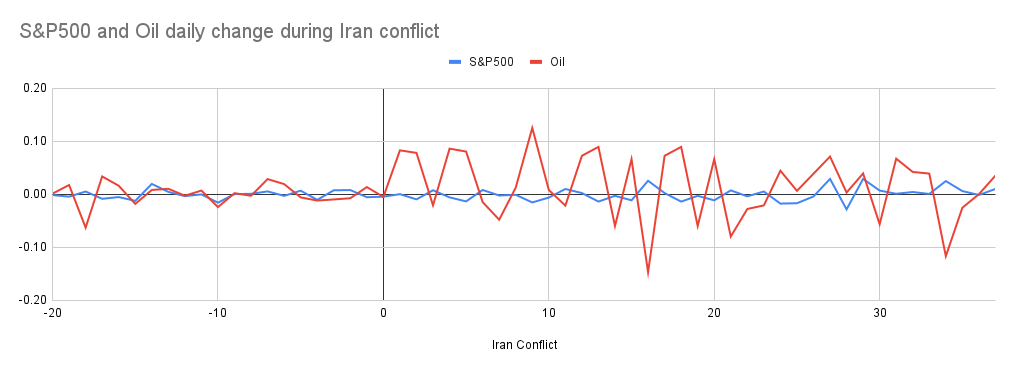
Oil and Equities Relationship is Defined by Regime
 Read more: Oil and Equities Relationship is Defined by Regime
Markets often frame oil as a direct driver of equity performance, with rising prices assumed to pressure stocks and falling prices seen as supportive. However, when examined through daily price action across geopolitical events, the relationship appears far less stable and far more dependent on timing and context. Looking at recent data, plotting daily returns…
-
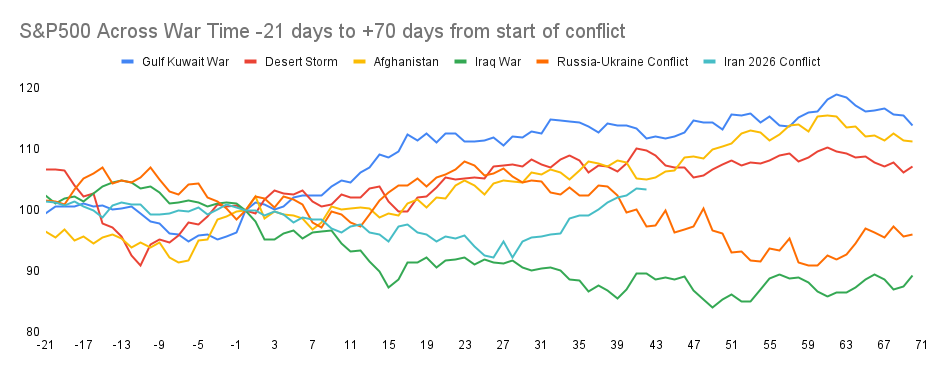
Oil as a core sensor of Market Cycles: A Cross-Event Analysis (1989–2023)
 Read more: Oil as a core sensor of Market Cycles: A Cross-Event Analysis (1989–2023)
Financial markets are often described as forward-looking, complex systems driven by earnings, sentiment, and macroeconomic conditions. However, when examining periods of geopolitical stress and economic disruption, a more consistent and observable relationship emerges: Oil acts as a leading indicator of market stress, while equities respond with a lag. By analysing multiple major events, including the…
- Rummu provides data, analysis, and tools for research purposes only. The information presented does not constitute financial advice, a recommendation, or an offer to buy or sell any securities. It does not take into account individual objectives, financial situations, or needs. You are solely responsible for your own investment decisions.